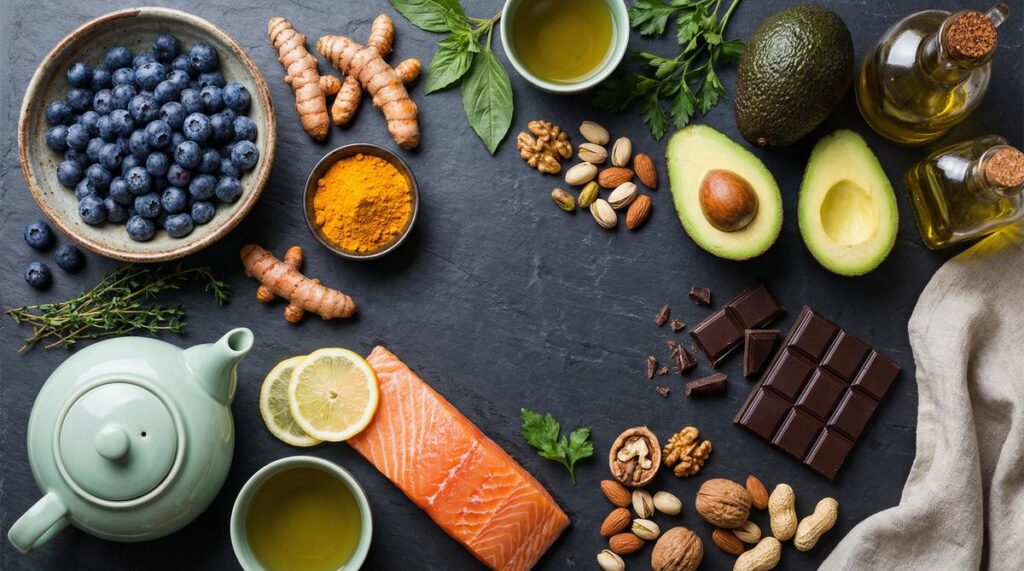
The Detox Industry Is Worth Billions, But What Does Science Say?
The detox industry has exploded over the past decade, with global sales of detox products—ranging from supplements and teas to juice cleanses—estimated to be worth billions of pounds annually. In the UK, the trend shows no sign of slowing, as consumers seek quick fixes to combat the effects of modern lifestyles, pollution, and poor diets. For more information, see our guide on Why Online Doctor Consultations in the UK Are Chan. For more information, see our guide on Diabetes and Weight Loss: Unlocking the Powerful C.
But despite the popularity and heavy marketing spend, the scientific community remains sceptical. The fundamental question is: does detoxing, especially via supplements or restrictive diets, actually work? And if so, what exactly is being detoxified?
Many detox products claim to eliminate “toxins” or “heavy metals” from the body, improve liver function, boost energy, or aid weight loss. However, these claims often lack rigorous clinical evidence. Understanding what the body’s natural detoxification processes are can help separate hype from reality.
How Your Body Actually Detoxifies Itself
Contrary to popular belief, your body is a highly efficient detox machine, equipped with organs and systems designed to process and eliminate harmful substances continuously. Here’s a breakdown of the main players:
Liver
The liver is the body’s primary detox organ. It filters the blood, metabolises chemicals, breaks down alcohol, and transforms fat-soluble toxins into water-soluble compounds that can be excreted via bile or urine. It also produces bile, which helps eliminate fat-soluble waste through the digestive tract.
Kidneys
The kidneys filter waste products, excess salts, and toxins from the blood, excreting them in urine. They also regulate fluid and electrolyte balance, which is crucial for effective detoxification.
Lungs
The lungs eliminate volatile toxins, such as carbon dioxide and certain chemicals, through exhalation. This function is vital for clearing gaseous waste.
Skin
The skin plays a minor role in detoxification through sweating. While sweat contains small amounts of toxins, its primary function is temperature regulation.
Together, these organs work continuously without requiring special diets or supplements. The best way to support them is through a healthy lifestyle.
Popular Detox Supplements Examined
A wide variety of supplements claim to enhance the body’s detox abilities. Let’s take a closer look at some of the most popular ones:
Milk Thistle
Milk thistle (Silybum marianum) is a herbal extract traditionally used to support liver health. The active component, silymarin, is believed to have antioxidant and anti-inflammatory properties.
Activated Charcoal
Activated charcoal is a form of carbon processed to have small, low-volume pores that increase its surface area, purportedly trapping toxins in the gut. It is often marketed as a way to cleanse the digestive tract.
Dandelion Root
Dandelion root is another herbal remedy claimed to support liver and kidney function by promoting bile production and acting as a mild diuretic.
Chlorella
Chlorella is a type of freshwater algae promoted for its ability to bind heavy metals and toxins, aiding their elimination.
What the Evidence Says About “Juice Cleanses” and “Detox Teas”
Juice cleanses typically involve consuming only fruit and vegetable juices for several days, often with the aim of “flushing out” toxins and jump-starting weight loss. Detox teas are herbal blends that claim to promote liver function and stimulate bowel movements.
While some people report feeling lighter or more energised after such cleanses, the scientific evidence is limited and mixed. Juice cleanses can lead to a temporary reduction in calorie intake, which may result in short-term weight loss, but this is not sustainable or necessarily healthy.
Moreover, juice cleanses often lack adequate protein and fibre, which are essential for maintaining muscle mass and gut health. Detox teas can contain laxatives, which may cause dehydration and electrolyte imbalances if overused.
Overall, the benefits of juice cleanses and detox teas are not well-supported by clinical research and may carry risks if done excessively or without medical supervision.
Milk Thistle: The One Supplement With Genuine Liver Support Evidence
Among detox supplements, milk thistle stands out as having some of the most robust scientific backing. Several clinical studies have explored its effects on liver health, particularly in liver diseases such as hepatitis and cirrhosis.
For example, a 2017 meta-analysis published in the Journal of Clinical Gastroenterology reviewed randomised controlled trials on milk thistle’s efficacy for liver disease. It concluded that milk thistle supplementation may improve liver function tests and reduce liver-related symptoms, although results varied depending on the condition treated and study quality.
Another study published in Phytomedicine (2015) found that silymarin improved liver enzymes and oxidative stress markers in patients with non-alcoholic fatty liver disease (NAFLD).
While milk thistle is not a cure-all and should not replace medical treatment, it appears to offer genuine hepatoprotective benefits, particularly as an adjunct therapy.
N-Acetyl Cysteine (NAC) and Glutathione Support
N-Acetyl Cysteine (NAC) is a precursor to glutathione, a powerful antioxidant produced by the liver that plays a critical role in detoxification. Glutathione neutralises free radicals and helps break down toxins.
Supplementing with NAC can increase glutathione levels and has been used clinically in cases of acetaminophen (paracetamol) overdose to prevent liver damage.
Research also suggests that NAC may support liver health in chronic conditions and reduce oxidative stress, though more large-scale trials are needed to confirm its broader detox benefits.
It’s important to note that glutathione itself is poorly absorbed when taken orally, so NAC is often preferred for boosting its levels.
The Dangers of Unregulated Detox Products
Despite their popularity, many detox products are sold without adequate regulation. The UK’s Medicines and Healthcare products Regulatory Agency (MHRA) has issued warnings regarding unlicensed or unsafe detox supplements and teas.
Some products have been found to contain undeclared pharmaceuticals, heavy metals, or harmful contaminants. Others may interact with prescription medications or cause adverse effects like liver toxicity, dehydration, or electrolyte imbalances.
For instance, in recent years, the MHRA has issued alerts about certain “herbal detox” supplements containing banned substances or posing health risks. Consumers should always be cautious, purchase from reputable sources, and consult healthcare professionals before using detox supplements.
What Actually Supports Your Body’s Natural Detox Processes?
Instead of relying on unproven supplements, there are evidence-based lifestyle habits that genuinely support your body’s detoxification systems:
Hydration
Drinking plenty of water is essential for kidney function, helping flush waste products through urine. Staying well-hydrated also supports skin health and lung function.
Fibre
A diet rich in dietary fibre promotes regular bowel movements, aiding the elimination of toxins through faeces. Fibre also supports a healthy gut microbiome, which plays a role in overall metabolic health.
Cruciferous Vegetables
Vegetables such as broccoli, cauliflower, and Brussels sprouts contain compounds like sulforaphane that support phase II liver detoxification enzymes. These enzymes help convert fat-soluble toxins into water-soluble forms for excretion.
Adequate Protein
Protein provides amino acids necessary for the synthesis of glutathione and other detoxification enzymes.
Regular Exercise
Moderate exercise improves circulation, supports lung function, and promotes sweating, which may aid minor toxin elimination. Mounjaro (Tirzepatide) Injection Review: The Next Generation of Weight Loss Treatment.
Red Flags in Detox Marketing Claims
Beware of detox products that make the following claims, as they often lack scientific credibility:
– Promise rapid or dramatic toxin removal without specifying which toxins
– Claim to “reset” or “cleanse” your body as if it were polluted beyond normal function
– Guarantee weight loss or improved energy in a short time frame
– Use vague or scientific-sounding terms like “bioactive compounds” or “cellular cleansing” without explanation
– Suggest that your body’s natural detox organs are insufficient or broken
– Recommend prolonged use despite lack of safety data
Healthy scepticism and consultation with qualified healthcare providers are key to navigating detox marketing.
The Bottom Line: Evidence-Based Recommendations
The human body is naturally equipped to detoxify itself efficiently through the liver, kidneys, lungs, and skin. No supplement or short-term diet can substitute these complex physiological processes. see also: Best Lion’s Mane Capsules for Focus and Brain Health i.
While some supplements like milk thistle and NAC show promise in supporting liver function and antioxidant capacity, they should be used responsibly and not as miracle cures.
Juice cleanses and detox teas lack strong scientific backing and may pose risks if misused.
The safest and most effective approach to supporting your body’s detox system includes:
– Maintaining adequate hydration
– Eating a balanced diet rich in fibre, protein, and cruciferous vegetables
– Engaging in regular physical activity
– Avoiding excessive alcohol, smoking, and exposure to environmental toxins
– Consulting healthcare professionals before starting any supplement
Ultimately, critical thinking and evidence-based practices help you make informed choices for your health—without falling prey to detox myths.
—
For more trusted health and wellness advice, visit Doze Pharmacy.